
Travel and adventure writing takes readers on a journey alongside the writer. It’s a rich genre full of history and nuance.
Understanding the subgenres within travel and adventure writing can help you as you write your own adventure narrative. Each subgenre has its own conventions and expectations, and these can help you shape and structure your story.
Recognising your genre will help you focus your narrative, select the most engaging details, and connect more deeply with your readers. Genres can overlap. You don’t have to stick to just one, so feel free to mix up your narrative. But sticking to just a couple will help give your narrative a theme and focus.
A common piece of writing advice is to read widely. Reading all sorts of travel and adventure stories can inspire your own writing and give you ideas about different storytelling techniques.
So here’s my list of travel and adventure genres, along with some of my favourite books for each. Jump in, get inspired, and enjoy the process. Happy reading and writing!
Quest: The author is on a mission to find something or go somewhere.
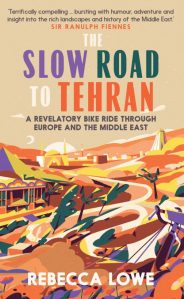

History: An exploration of a journey, place, or person from the past. The author might keep themselves out of the narrative, or they might be part of the storytelling.
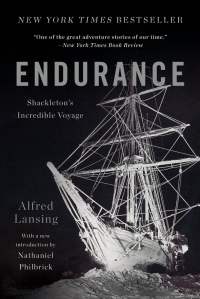
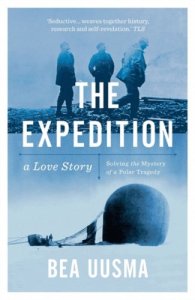
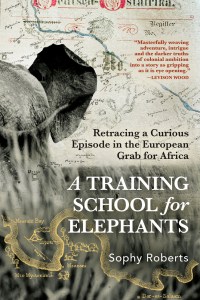
Nature: Nature, ecosystems, and botany take centre stage, showing the importance of human connection with nature.
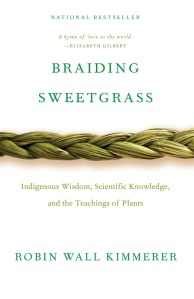

In the footsteps of… The author recreates a journey that they or someone else did in the past. Reflections and musing are central to the narrative.

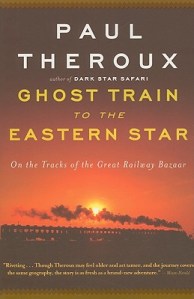
Inner journey: The internal (mental and emotional) journey is just as important, or more important, than the external (physical) journey.

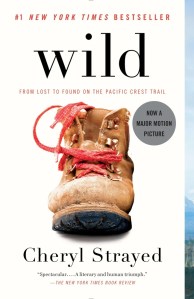
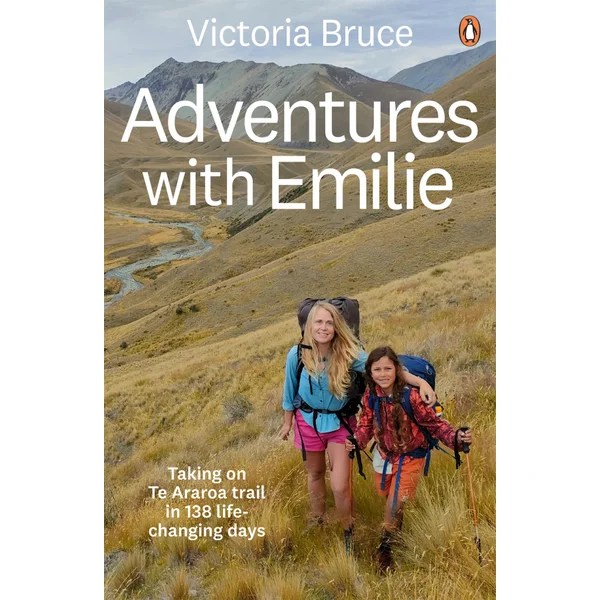
Exploration: An account of a rarely visited place or difficult to reach place.

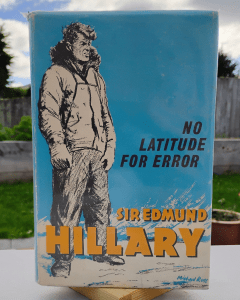
Mode of transport: The way the author gets around is central to the story. It could be a train, bike, plane, boat.
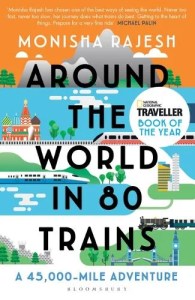
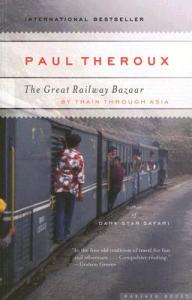
Gastronomy: Food and culture is central to the story.

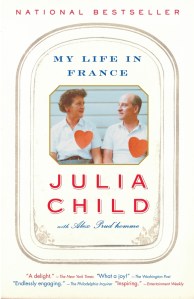
Reportage: A journalistic, objective(ish) take on an event or trip. The author may be absent from the narrative, or they may be a key character.
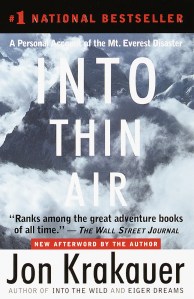
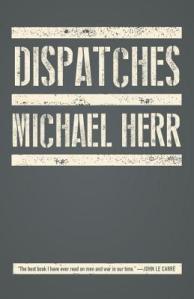
Travelogue: A chronological telling of a trip, often with dates and locations (but not always).

Vignette: Snippets and essays on travel. Each story can stand alone or have a connecting thread or narrative. These narratives are often philosophical.
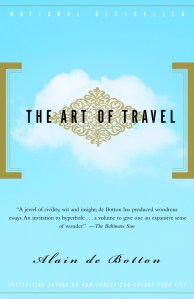
Alain De Botton (Author)

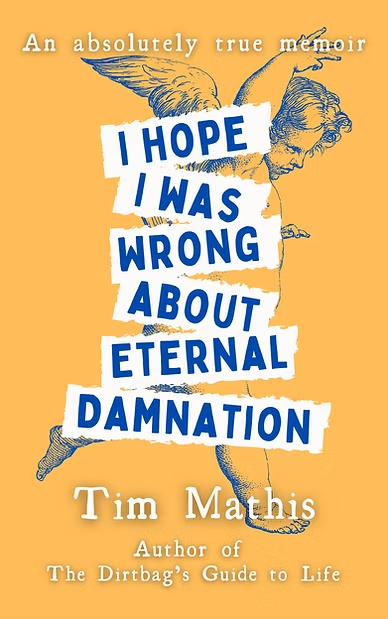
Ex-pat experience: The author’s experience of living aboard. Can involve comedy, especially at the author’s expense.

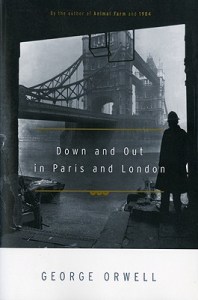
(Technically a novel but based on Orwell’s experiences)
Domestic: Journeys within the author’s home country, city, or town.
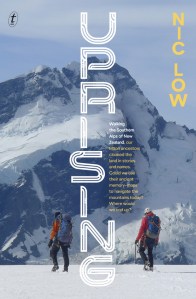

Guidebook: Explains the ins and outs of a destination or trail. Provides practical advice and often insights from the author’s own experiences.

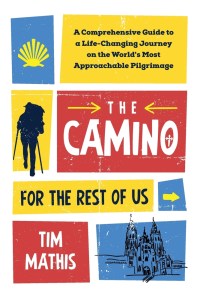
Photo journey: Glossy, high production coffee table books where the focus is more on the photos than the words (but the words are important too!)

What do you think? What is your favourite genre to write and read? I’m a big fan of “inner journey” and “exploration”. I’m also a sucker for guidebooks – I love to dream!
Discover more from Deborah Shaw Adventure Editing
Subscribe to get the latest posts sent to your email.
 Deborah Shaw Adventure Editing
2 thoughts on “A guide to travel & adventure writing genres”
Comments are closed.